Dialing in authentic motorsport ergonomics for daily drivers cures chronic highway fatigue by replacing slouch-inducing soft foam with skeletal alignment, direct pedal reach, and tactile bolster retention.
Watch an onboard camera from a NASCAR Cup Series stock car slicing through concrete street canyons or a GT3 machine fighting through midnight traffic at Daytona. One detail jumps out immediately: drivers endure three to four hours of violent 3G lateral loads, bone-jarring curb strikes, and cockpit heat exceeding 120°F without stumbling out in lower back agony.
Now look at the average highway commuter. A forty-minute crawl on Southern California’s I-405 or the stop-and-go gridlock along Austin’s MoPac Expressway leaves countless drivers stepping onto the asphalt with a stiff neck, aching shoulders, and sharp lumbar fatigue.
That contrast is not just about athlete fitness. It comes down to skeletal engineering. In professional racing, a cockpit is built around pelvic stabilization and tactile control. In production road cars, however, factory cabins are compromised—engineered for casual showroom lounging and five-minute dealership test drives rather than continuous spinal support.
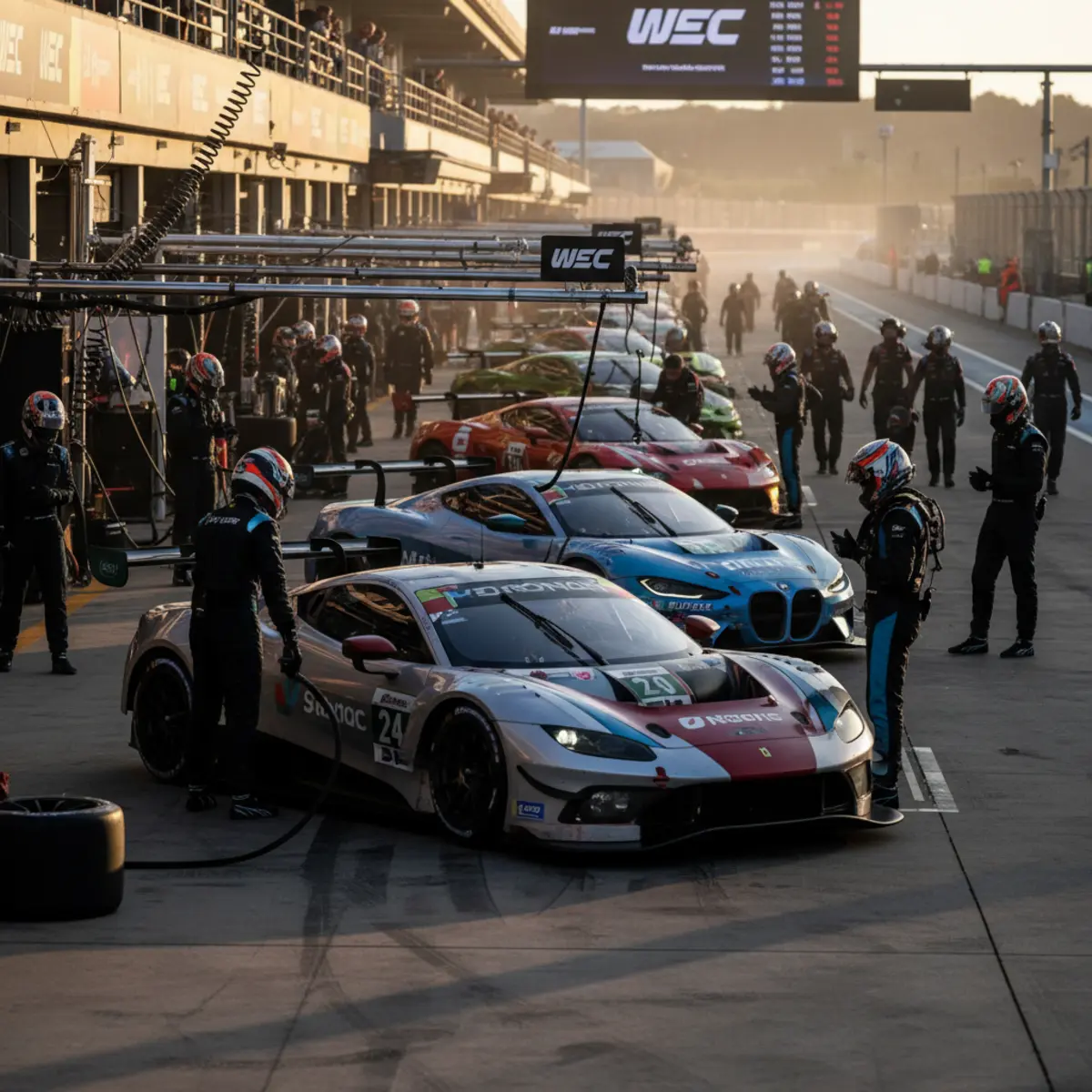
Why Motorsport Ergonomics for Daily Drivers Solves Commuter Slouch
When your back throbs after driving, the natural instinct is to assume the seat is too firm. In automotive biomechanics, the exact opposite is true: excessive cushion softness and poor angular geometry cause the damage.
The Biomechanical Trap: Posterior Pelvic Tilt & 4–8 Hz Resonance
Your spine relies on a natural inward lordotic curve in the lower lumbar. In a neutral posture, road shocks are absorbed safely through your pelvic bones and core musculature. But standard car seats feature dished cushion bases that cause your hips to slowly migrate forward during traffic.
That forward slide triggers posterior pelvic tilt. As the pelvis tilts backward, the lumbar curve collapses flat into an unnatural C-shaped slouch. Your core muscles switch off completely, dumping your entire upper body weight directly onto the vulnerable L4-L5 and L5-S1 spinal discs.
Compounding this strain, highway asphalt generates constant 4 to 8 Hz vertical vibration—the exact mechanical resonance frequency of the human spine. Without a stable pelvic anchor, every bridge joint sends micro-shocks straight into tired spinal cartilage.
By contrast, competition cockpits governed by FIA safety and seating standards lock the driver’s pelvis firmly in place. By seating the hips in the deepest junction of the shell, racing setups keep the spine aligned in its neutral load-bearing posture under aggressive braking and cornering.
The Sun Belt Factor: Summer Heat and Perspiration Slip
Cockpit ergonomics also depend heavily on climate. Across the American Sun Belt—from Phoenix and Las Vegas to Dallas, Houston, and Florida—summer ambient temperatures consistently breach 100°F. Park a vehicle under direct sunlight, and the greenhouse effect superheats cabin air past 150°F.
That intense heat creates an overlooked ergonomic trap: perspiration slip. Within minutes, sweat forms a slick, low-friction barrier between your clothing and smooth factory leather or vinyl seats. Instead of the upholstery gripping your clothing, you slide forward under braking and slip sideways through turns.
— Veteran Paddock Engineering Insights, as examined in our look at NASCAR Cup street circuit cockpit demands.
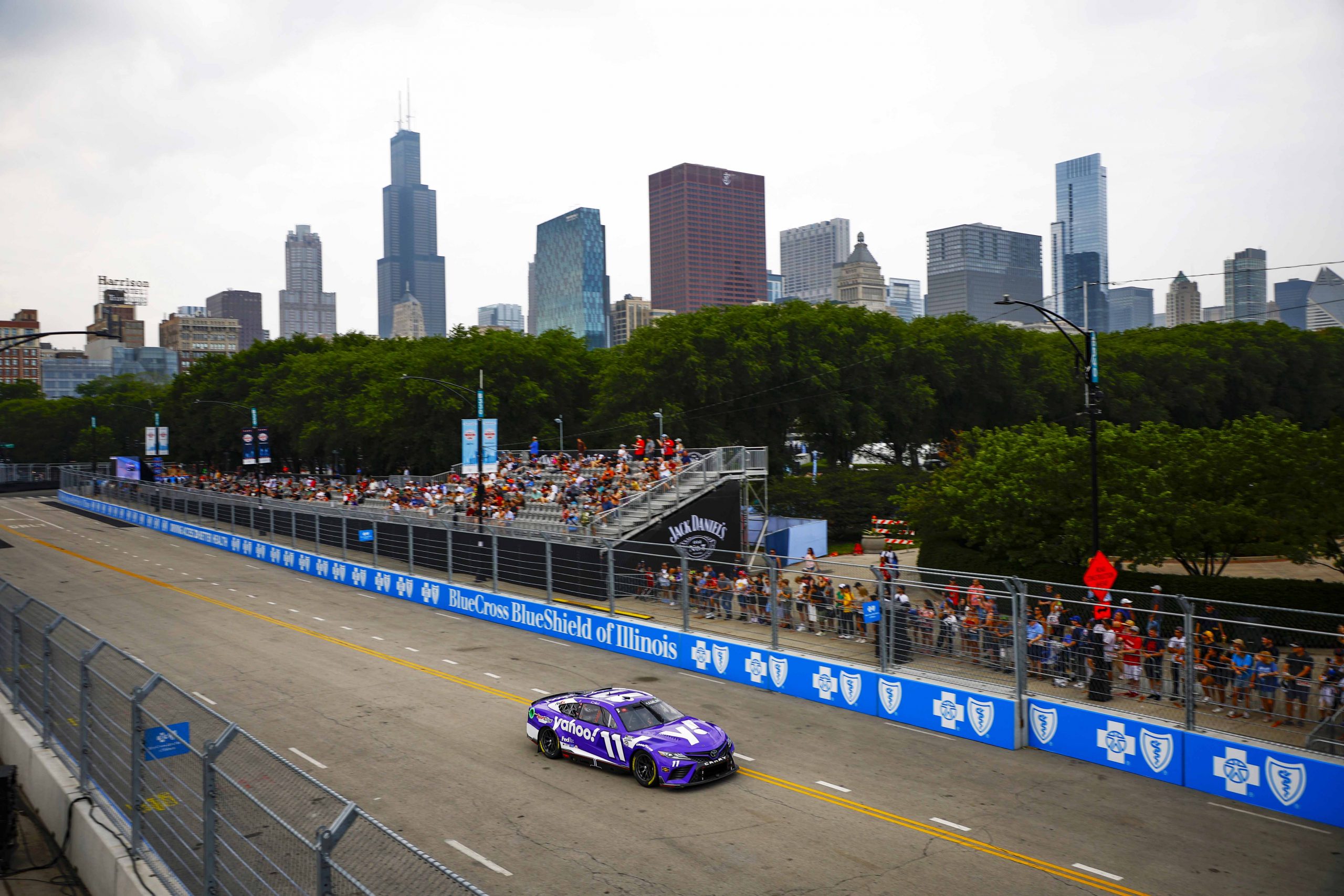
4 Paddock-Proven Adjustments for Your Daily Driver
You do not need a custom carbon-fiber racing shell to dramatically improve your daily posture. Racing driver coaches use four straightforward seating rules that translate cleanly to road cars:
Ditch the “showroom recline.” Leaning your backrest past 115 degrees forces your neck to crane forward to see over the cowl, straining your cervical spine. Bringing it to 100–105 degrees keeps your shoulder blades flush against the cushion.
With shoulder blades flat against the seatback, extend your dominant arm toward 12 o’clock on the wheel. Your wrist crease should rest naturally on the top of the rim, ensuring an effortless 120-degree elbow bend at 9 and 3 o’clock.
Adjust your seat track so fully depressing the brake pedal maintains a 120-degree bend in your right knee. Keep your right heel planted firmly on the floorboard as a mechanical pivot point between throttle and brake.
Never tilt the front cushion lip so high that it presses into the back of your knees. You should easily slide two fingers between the cushion edge and your knee crease, preserving femoral blood flow on long commutes.
Taming Lateral Micro-Slip: Why Side Bolsters Matter on the Street
Even with your angles adjusted, another major source of driving fatigue remains: lateral micro-slip.
In a race car, deep bucket bolsters hold your ribcage and thighs snug. On a road car, taking a highway cloverleaf or changing lanes at 65 mph produces 0.3G to 0.5G of lateral pull.
On slick leather or worn cloth seats where factory foam has broken down, your torso slides sideways a few millimeters on every turn. Your brain forces your deep spinal stabilizers—the quadratus lumborum and erector spinae—to fire continuously on one side to hold you upright. After an hour of constant micro-contractions, those muscles knot into painful spasms.
While track enthusiasts might dream of swapping in fixed-back racing buckets, doing so in a street car brings major downsides: non-reclinable shells disable factory side-impact airbags, kill heated seats, and make climbing in and out an annoying hassle.
A far more practical street solution is enhancing the surface grip and bolster retention of your existing factory seats with dedicated paddock upgrades.
Paddock-Tested Solutions: High-Traction Bolster Protection
Official catalog showcases from EzcustomCar: high-density poly-spandex protection engineered with tactile bolster retention and precision universal fitment.
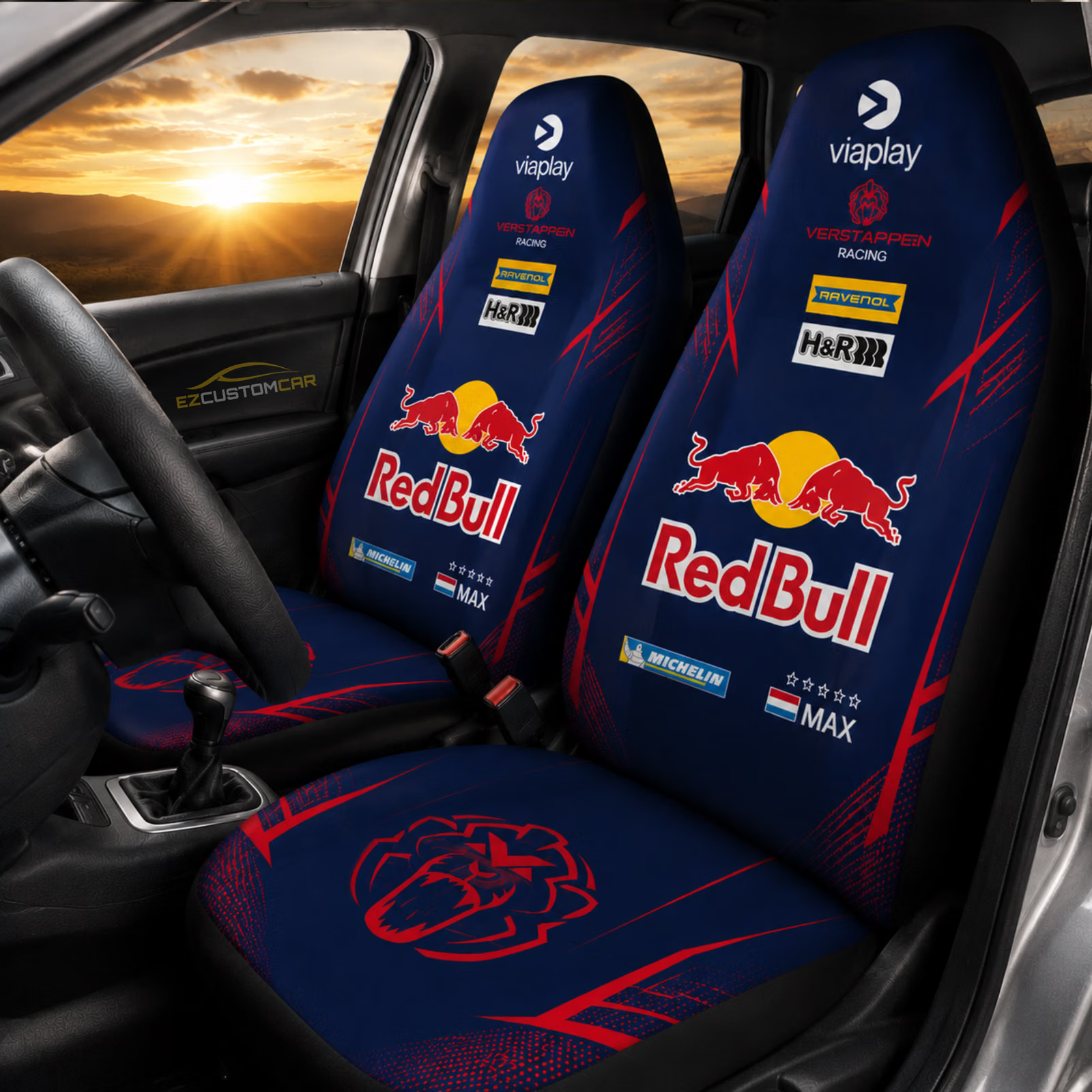
Mad Max AMG GT3 EVO Covers
Inspired by legendary Green Hell endurance battlers. Engineered from high-density poly-spandex with breathable foam lining that hugs factory seat bolsters tightly, eliminating body slip through aggressive highway curves.
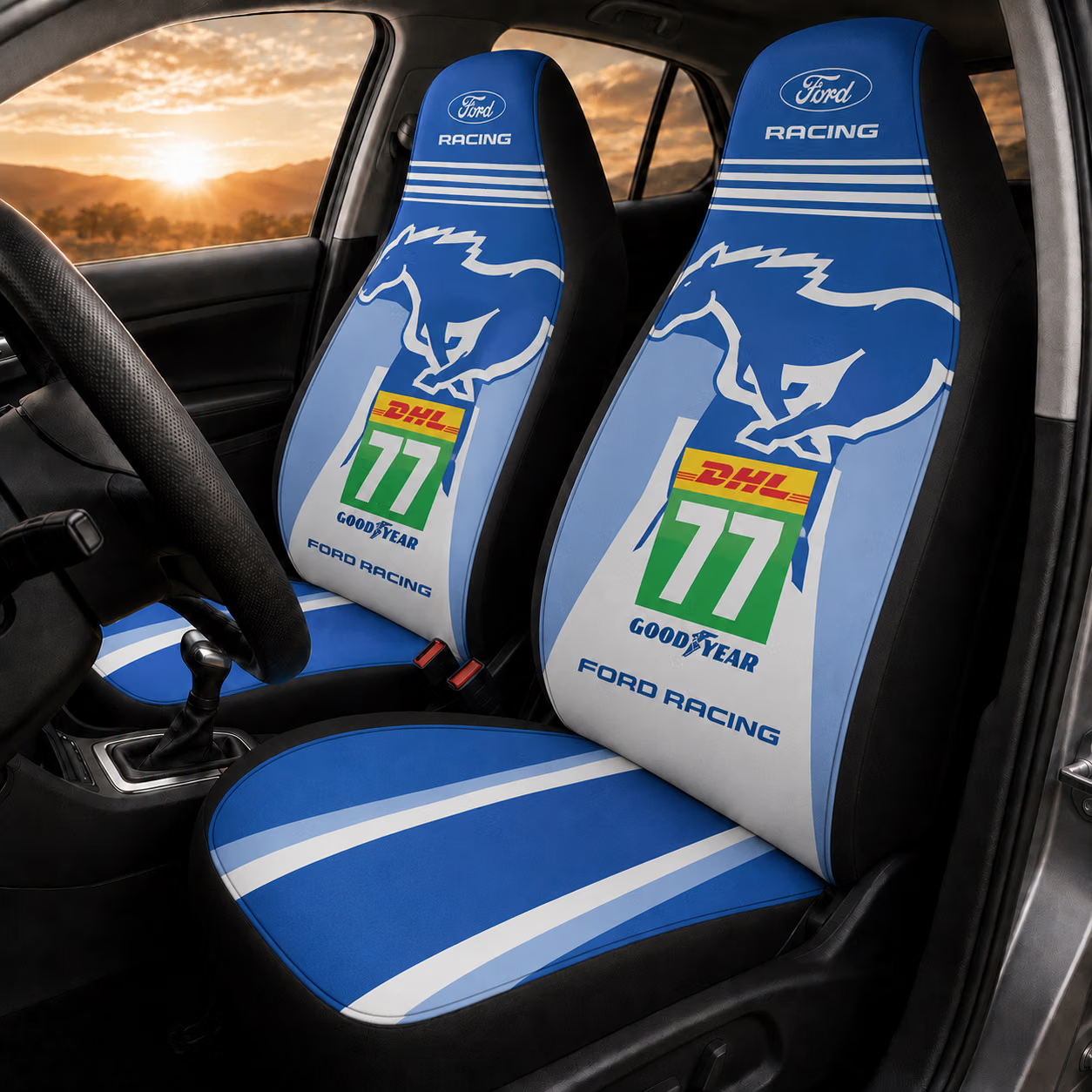
Proton Mustang GT3 #77 Covers
Features authentic WEC paddock styling with resilient multi-way stretch construction. Restores tactile seat friction on worn leather while protecting factory upholstery from daily commuter friction and UV wear.
For drivers looking to eliminate lateral sliding on slick factory leather or fatigued cushions, installing tailored four-way stretch car seat covers from automotive interior specialists like EzcustomCar offers an accessible, functional upgrade. Engineered with high-density poly-spandex and breathable foam backing, these snug covers add tactile friction across bolster edges—keeping your torso planted through aggressive freeway bends while preserving factory side-impact airbags.
Much like paddock crews wear functional, high-mobility gear such as race weekend paddock gear to stay comfortable across grueling race weekends, your street cabin benefits from practical upgrades that deliver genuine ergonomic utility.
The 60-Second Red-Light Mobility Reset
Even with dialed-in motorsport ergonomics for daily drivers, staying motionless for hours causes spinal discs to lose fluid. When paused at a long red light or rest plaza, try this 60-second in-cabin mobility drill:
The 60-Second In-Cabin Mobility Reset Protocol
- Pelvic Neutrality Rock (20 sec): Hands on the steering wheel, inhale and tilt your pelvis forward to slightly arch your lower back. Exhale and roll your pelvis backward to press your lumbar spine into the seatback. Repeat four times to stimulate spinal fluid circulation.
- Scapular Squeeze (20 sec): Pull your shoulder blades back and down against the seat cushion, holding for five seconds before releasing. This relieves tension across the upper trapezius from gripping the wheel.
- Chin Retraction (20 sec): Without looking up or down, glide your head straight back into the head restraint, creating a slight double chin. Hold for three seconds to neutralize forward-head strain.
Conclusion: Bringing the Paddock Mindset to Every Drive
In motorsport, raw horsepower is useless if the driver loses physical control from fatigue before the checkered flag. Your daily driver might not be a 750-horsepower stock car fighting for position on a super-speedway, but your spine obeys the exact same laws of physics on your daily commute.
By applying motorsport ergonomics for daily drivers—setting an upright 100-degree posture, dialing in pedal reach, stabilizing your torso with firm bolster friction, and moving periodically—you eliminate commuter back pain and make every drive feel as sharp as a reconnaissance lap.