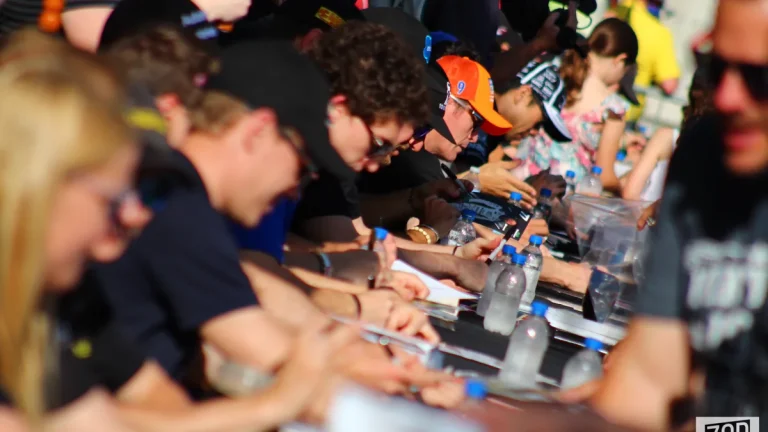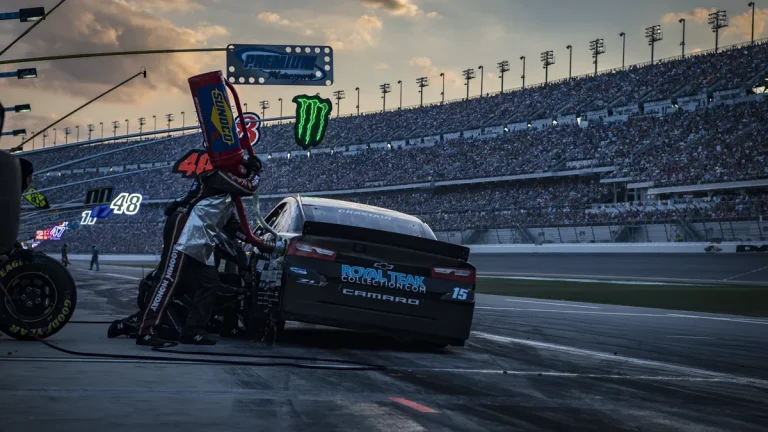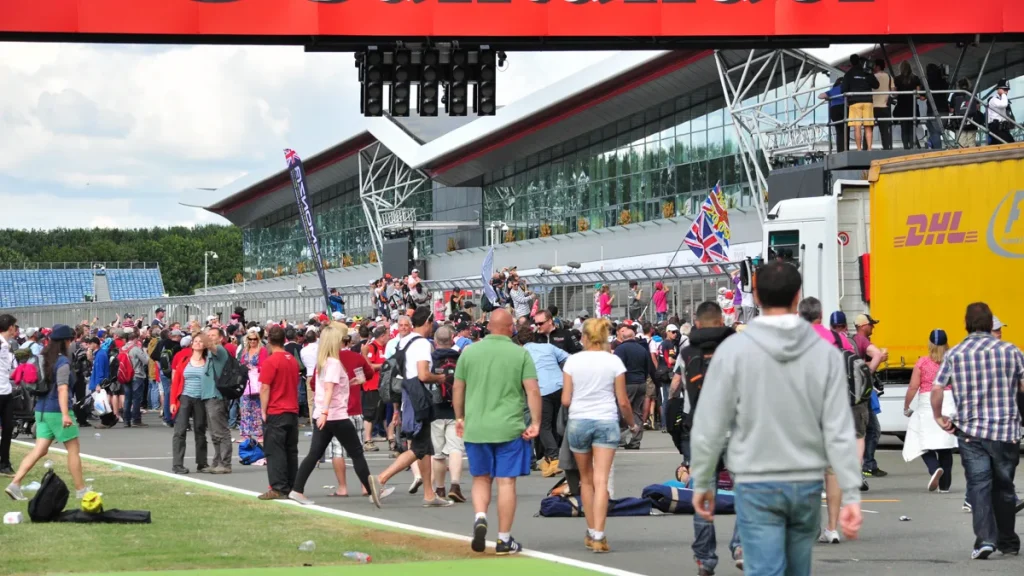
The short lap: The best race weekend paddock outfits balance brisk 10°C morning track walks with sun-baked 24°C grandstand afternoons. Modern paddock style combines technical base layers, breathable water-resistant mid-layers, and tailored vintage motorsport aesthetics with durable flat-soled sneakers built for logging 15,000 steps across concrete infields.
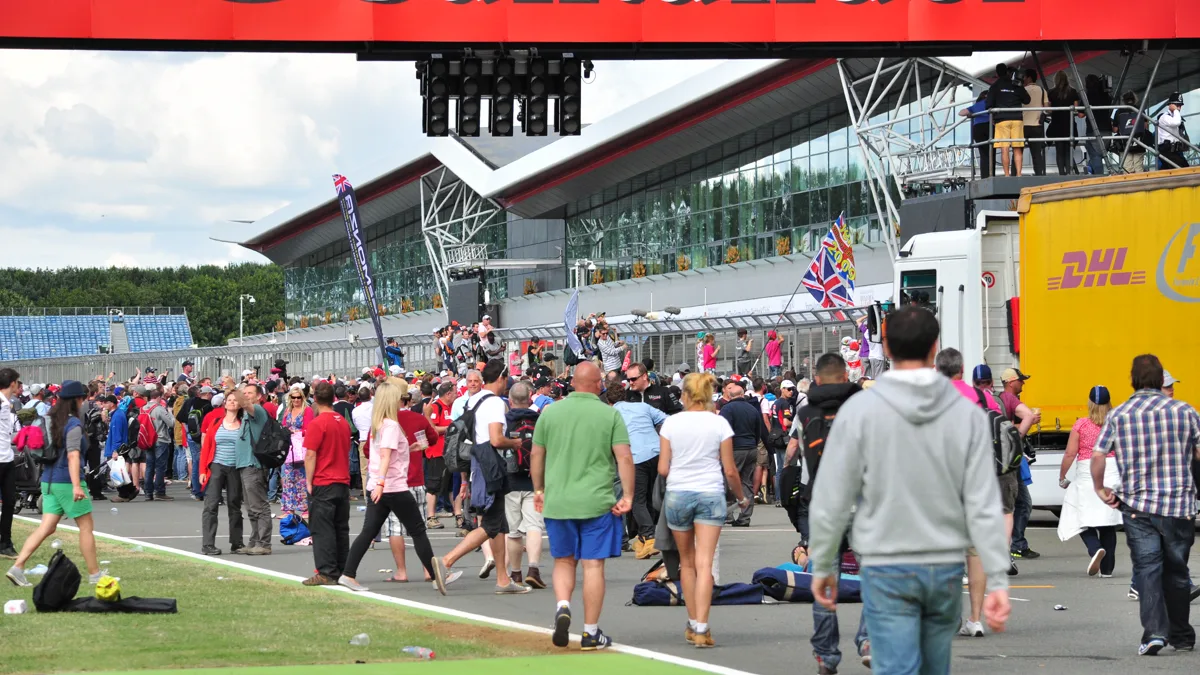
Attending a premier motorsport weekend is an endurance event for spectators as much as teams. Over three days, fans trek across miles of sun-baked asphalt, chilly morning queues, unpredictable autumn showers, and crowded pit lane walks. Crafting the right wardrobe requires balancing trackside functional utility with sharp, motorsport-inspired aesthetic flair.
What defines modern race weekend paddock outfits?
Modern race weekend paddock outfits merge high-performance outerwear fabrics with refined streetwear silhouettes and heritage racing iconography. Spectators no longer choose between loud team billboard merchandise and restrictive formalwear. Instead, contemporary trackside fashion emphasizes functional minimalism, muted vintage color palettes, weatherproofing, and comfortable ergonomic tailoring.
For decades, track fashion leaned heavily into oversized polyester team polos saturated with commercial sponsor logos. While team loyalty remains central to grandstand culture, modern paddock lounges and VIP enclosures have undergone a pronounced stylistic shift. Influenced by vintage paddock photography from the 1970s and 1980s, spectators now favor clean chore jackets, textured crewnecks, tailored cargo trousers, and subtle racing patches.
This evolving aesthetic bridges high-octane sporting culture with everyday metropolitan versatility. A well-constructed paddock ensemble allows you to walk through airport security on Friday morning, explore the team garages in the afternoon, and comfortably join an evening team celebration without needing an outfit change.
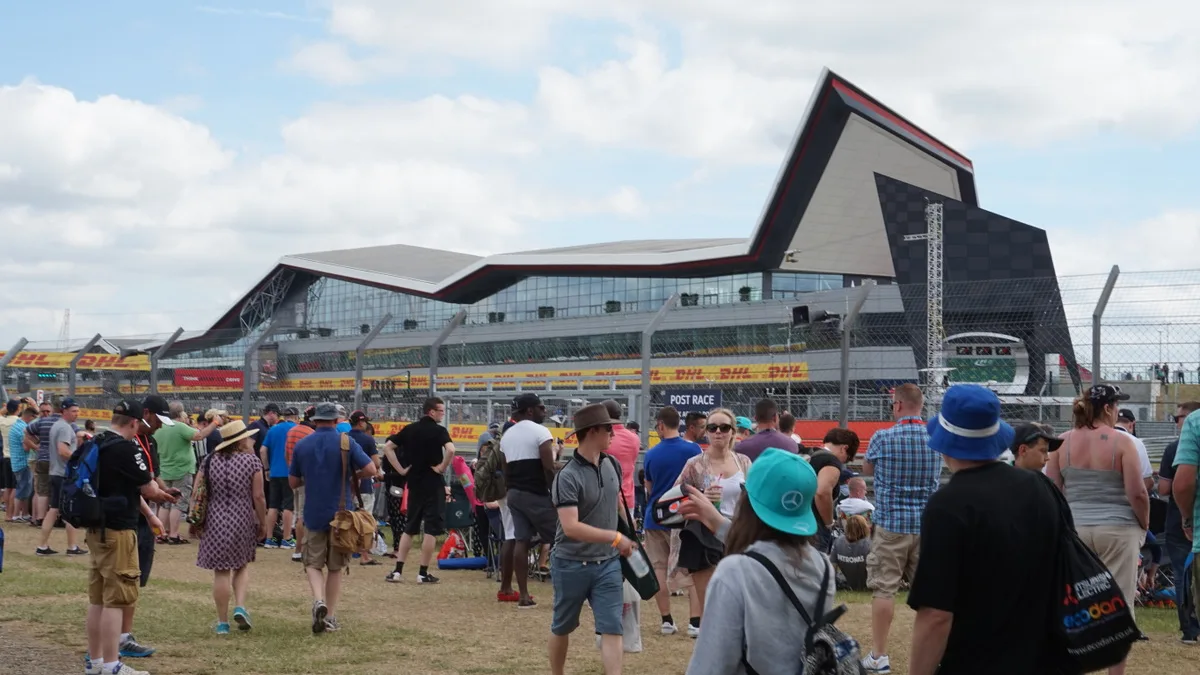
Practical utility remains paramount. Sprawling circuits such as Circuit of the Americas or Silverstone encompass hundreds of acres of open terrain. Exposure to relentless sun, gusting crosswinds, and sudden thermal shifts means an outfit that sacrifices comfort for appearance will leave you exhausted before the formation lap even begins.
How should you layer for unpredictable trackside weather?
The golden rule of trackside dressing is modular, three-layer thermal regulation capable of shedding or adding warmth across a 15°C temperature swing. Morning practice sessions frequently start in freezing coastal fogs, while midday qualifying takes place under relentless sunshine that bakes concrete terraces above 30°C.
Mastering the three-tier layering system ensures full-day endurance across varied circuit microclimates:
- Base Layer: Breathable, moisture-wicking organic cotton or merino wool blends. Avoid pure heavy synthetic jerseys that trap sweat during crowded pit lane bottlenecks.
- Mid Layer: A structured quarter-zip pullover, knitted racing cardigan, or lightweight wool overshirt. This layer delivers thermal insulation during morning sessions and slips easily into a daypack once afternoon track temps peak.
- Outer Shell: A wind-resistant, packable ripstop jacket or vintage canvas mechanic blouson. Having water repellency protects against sudden autumn showers without adding bulk.
| Session & Time | Ambient Conditions | Recommended Layering System | Fabric Specs | Essential Accessories |
|---|---|---|---|---|
| Morning FP1 (09:00 – 11:30) | Chilly, 10°C – 14°C, Damp Fog | Thermal base + wool knit + windproof chore jacket | Heavyweight cotton & weather-resistant nylon | Polarized sunglasses & light knit beanie |
| Midday Qualifying (13:00 – 16:00) | Direct Sun, 22°C – 26°C, Heat Reflection | Single breathable tee or relaxed collared shirt | 100% combed cotton or technical linen blend | UPF 50+ baseball cap & ear protection |
| Post-Race Evening (17:30 – 20:00) | Rapid Cool Down, 13°C – 16°C, Wind | Re-introduce structured mid-layer or bomber jacket | Water-repellent canvas or twill outer | Compact crossbody bag for stored layers |
Planning around ambient fluctuations prevents the common rookie mistake of shivering through early support races only to carry an unmanageable winter parka through hot afternoon grandstands. For spectators interested in motorsport team aesthetics, our breakdown of authentic pit crew costume styling highlights how professional mechanics select rugged, durable twill fabrics designed for heavy utility.
What footwear survives 15,000 steps on paddock asphalt?
The foundation of every successful paddock outfit is low-profile, supportive footwear equipped with cushioned midsoles and durable rubber outsoles. A standard race day involves walking between 12,000 and 18,000 steps across rough tarmac, gravel runoff perimeters, steep grass banking, and perforated metal grandstand staircases.
While retro racing driving shoes look sleek on pedal boxes, ultra-thin soles lack the impact dampening required for standing on concrete paddock pads for six consecutive hours. Conversely, high-fashion heels, open-toed sandals, and pristine suede dress shoes are quickly ruined by oil residues, dirt trails, and crowded paddock traffic.
Key footwear considerations for circuit navigation include:
- Low-Profile Court Sneakers: Classic leather silhouettes provide structural ankle stability, water resistance against wet morning grass, and effortless pairing with tailored trousers.
- Retro Running Shoes: Models with dual-density EVA midsoles deliver all-day arch support for marathon walking sessions across vast circuit perimeters.
- Rugged Outsoles: Ensure outsoles feature multi-directional rubber grip to maintain traction on slick painted curbs and damp paddock hospitality ramps.
- Merino Cushion Socks: Prevent friction blisters and regulate foot temperature as asphalt radiant heat builds throughout the race afternoon.
Prioritizing durable, broken-in leather or technical knit sneakers ensures you stay nimble and pain-free, whether rushing to grab an autograph during the pit walk or climbing Turn 1 elevations at speed.
How do paddock hospitality dress codes differ from grandstands?
Paddock Club and VIP hospitality suites maintain smart-casual dress codes that prohibit beachwear, gym shorts, distressed denim, and open footwear, whereas grandstands and general admission areas prioritize all-weather comfort and team pride. Balancing these two environments requires tailoring your clothing choices to your circuit access tier.
Inside exclusive enclosures, the atmosphere reflects a motorsport business summit mixed with luxury hospitality. Tailored chinos or dark-wash selvedge denim paired with a crisp Oxford shirt, unstructured blazer, or fine-gauge polo struck the perfect balance. You will notice team executives, drivers, and VIP guests wearing understated team apparel accented by bespoke luxury tailoring.
Official visitor guidelines published across international venues like silverstone.co.uk emphasize that even in luxury suites, guests frequently step outside onto open balconies and pit roof terraces. Sudden track winds and sun exposure make functional accessories like UV-rated sunglasses and packable light jackets essential even in five-star hospitality suites.
For general admission and reserved grandstand ticket holders, breathability, weatherproofing, and bag compliance take precedence. Circuits enforce clear bag policies or maximum backpack dimensions, making multi-pocket cargo trousers or compact sling bags valuable for storing earplugs, battery banks, sunscreen, and circuit maps.
Race Weekend Paddock Outfits FAQ
Can you wear team merchandise inside the Formula 1 Paddock Club?
Yes, subtle and tasteful team merchandise is welcomed in the Paddock Club. Premium team polo shirts, subtle branded jackets, and clean team caps are common. However, avoid oversized novelty items, loud carnival costumes, or swimwear, as hospitality areas maintain a smart-casual decorum.
Are sneakers allowed in VIP race paddock suites?
Clean, fashionable sneakers are universally accepted across almost all modern motorsport VIP lounges, including the F1 Paddock Club and Le Mans hospitality suites. Because guests walk long distances and participate in pit lane tours, luxury leather sneakers or understated lifestyle trainers are standard attire.
What should you bring in a small bag for a full race day?
Carry high-fidelity ear protection (decibels trackside exceed 115 dB), a 10,000mAh portable battery charger, SPF 50 sunscreen, polarized sunglasses, a compact packable rain poncho, and a refillable water bottle if the circuit allows.
How cold does a race circuit get during autumn mornings?
Open circuit topography allows winds to sweep unimpeded across track surfaces, causing morning temperatures between 8:00 AM and 11:00 AM to feel 3°C to 5°C colder than surrounding city forecasts. Always pack a wind-resistant outer layer to stay comfortable during early sessions.
How we researched this: Trackside spectator surveys, ambient weather telemetry from autumn Grands Prix, and paddock hospitality access audits.