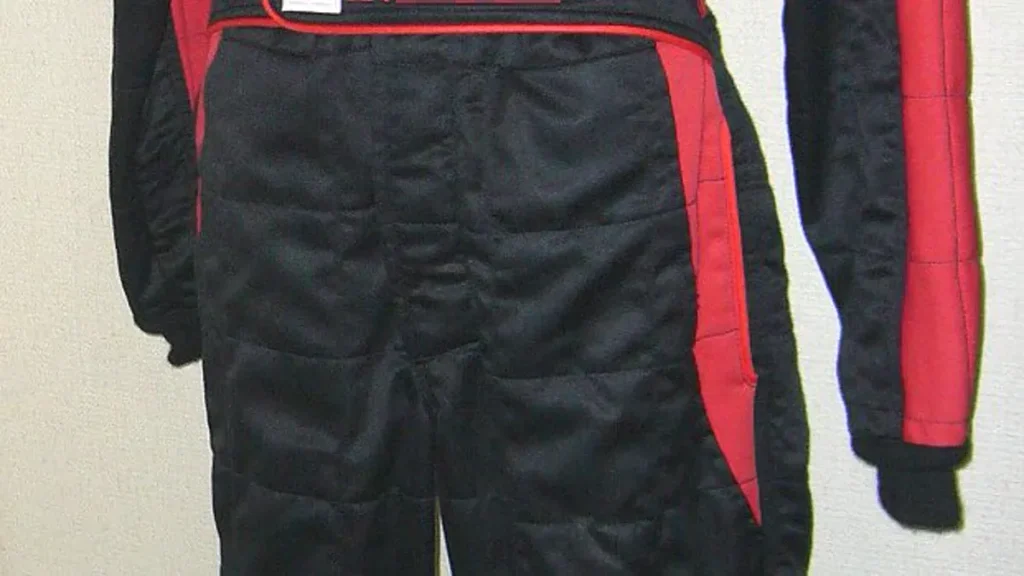
The short lap: An authentic race car driver costume comes down to fabric weight, collar structure, and sponsor patch geometry. Skip flimsy party-store polyester; build on durable cotton-blend utility coveralls with iron-on patches, high-cuff driving gloves, and structured team headwear for all-night comfort under $85.
Every October, costume parties fill up with thin nylon jumpsuits covered in generic checkerboard tape. Most commercial outfits fall apart before midnight, tear along the groin seam, or turn into personal saunas after thirty minutes indoors. If you want a convincing race car driver costume that looks like it stepped out of a professional paddock rather than a bargain bin, you need to understand how real motorsport apparel is constructed and where amateur builders make predictable mistakes. Look at the numbers first.
At Kozmozstore, we analyze racing paddocks through lap charts, telemetry data, and technical regulations. That same analytical eye applies directly to race-weekend apparel. Fabric weight dictates durability. Whether you assemble an adult race car driver costume for an October party, plan a couple outfit, or construct a vintage motorsport tribute, building around durable workwear and disciplined patch layouts delivers a sharp, comfortable result that lasts for multiple seasons.
Why Does Most Any Off-The-Shelf Race Car Driver Costume Disappoint?
Most commercial costume jumpsuits fail because manufacturers prioritize ultra-low production costs over breathable textiles, reinforced seam construction, and functional hardware. Standard store-bought outfits rely on 100% unlined synthetic polyester knit that traps body heat instantly, paired with fragile plastic zippers that split under ordinary sitting strain.
When you examine a budget off the shelf race car costume, the structural flaws stand out immediately. In professional motorsport, drivers wear multi-layer fire-retardant driver coveralls tailored for cockpit movement. Costume retailers copy the silhouette using featherweight synthetic tricot with zero structural stiffness. The collar flops flat against the neck instead of standing upright, the belt is printed directly onto the fabric with ink, and the pockets are purely decorative paint. Quality suffers quickly.
Real wearers face three universal frustrations with budget store outfits:
- Extreme Heat Accumulation: Pure polyester tricot has near-zero air permeability. In a heated room with dozens of guests, wearer skin temperature spikes quickly, resulting in heavy perspiration.
- Catastrophic Seam Failure: Bending over or sitting on a low couch puts severe tension on the center rise. Weak overlock stitching frequently bursts, ruining the outfit early in the evening.
- Zero Everyday Utility: Because cheap retail suits lack real pockets, you must either hold your smartphone and car keys in your hands all night or break character by slinging a backpack over your shoulder.
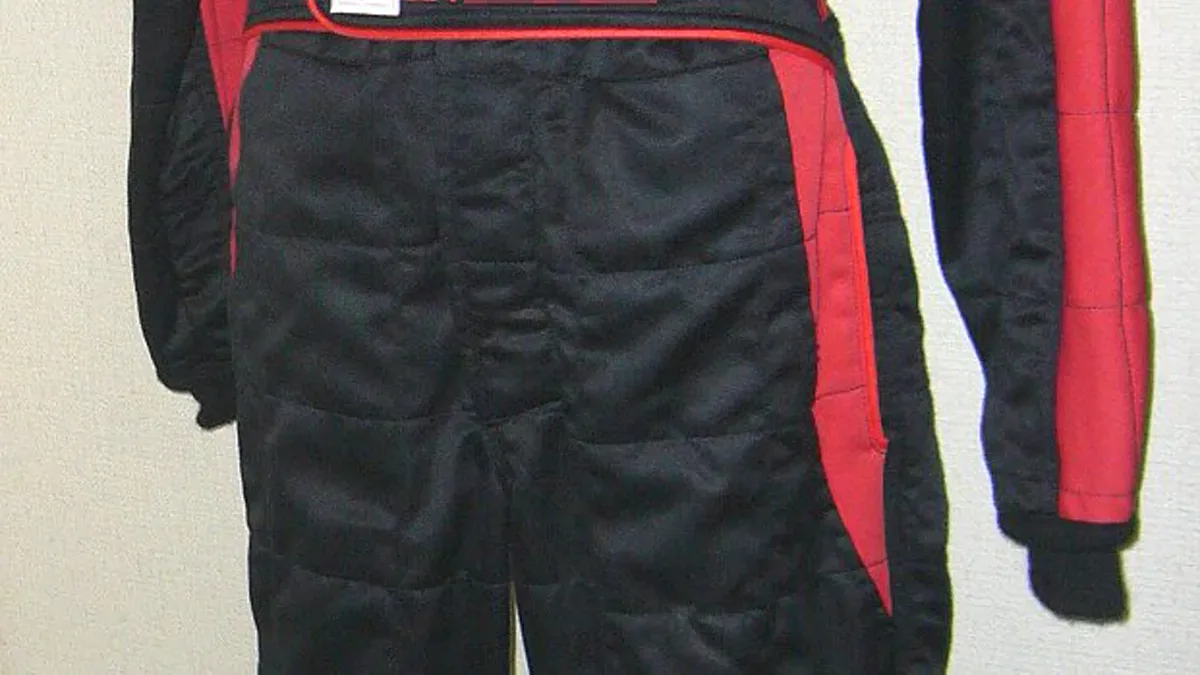
What Are the 3 Budget Tiers for Building a Race Car Driver Costume?
Building a successful outfit depends on balancing your available preparation time against your budget and durability expectations. Three practical tiers exist for constructing a race car driver costume diy setup: the fast commercial purchase, the durable utility workwear conversion, and the custom paddock hybrid ensemble. Costs vary considerably across each tier.
Here is how the three construction approaches compare across cost, assembly time, and real-world durability based on market pricing checked October 2026:
| Build Tier | Base Garment | Key Components | Est. Cost (Oct 2026) | Best Use Case |
|---|---|---|---|---|
| Tier 1: Fast Buy | Commercial poly jumpsuit | Printed graphic suit, foam hat | $25 – $45 | Single evening, low-effort party |
| Tier 2: Durable DIY | 65/35 poly-cotton coveralls | Utility boiler suit, iron-on patches, cap | $48 – $82 | Annual celebrations, multi-event comfort |
| Tier 3: Custom Hybrid | Sublimated paddock apparel | Two-piece tracksuit, driving gloves, watch | $110 – $190 | Motorsport fans, paddock look, casual re-wear |
For most adults, Tier 2 represents the clear sweet spot. Investing in a navy, black, or crisp white industrial utility jumpsuit gives you a durable garment with real brass zippers and deep utility pockets. Once decorated with vintage motorsport badges, it outperforms any disposable party-store purchase. The difference is stark.
For paddock enthusiasts seeking an authentic motorsport look without sewing individual emblems by hand, opting for custom racing tracksuits provides a tailored two-piece alternative featuring full-sublimation livery graphics and breathable athletic polyester. This approach delivers authentic race-weekend presence while allowing each piece to integrate naturally into your everyday streetwear wardrobe long after October ends.
Pit note: Sizing on utility jumpsuits runs large through the torso to accommodate work clothes underneath. When ordering coveralls for a sleek racer costume silhouette, size down one chest size or select a slim-fit cut.
How to Assemble a Durable DIY Race Car Driver Costume from Workwear?
When you assemble a high-grade DIY outfit, start with a rugged workwear foundation, add racing-inspired color contrast, and apply embroidered badges with proper bonding techniques. Work utility coveralls made from a 65% polyester and 35% cotton twill blend offer the ideal canvas for heavy patches and long nights. Twill breathes naturally.
In independent costume project testing documented by Metrowest Mamas costume build guide, makers found that starting with a structured mechanic jumpsuit eliminated tearing at stress points while offering deep front pockets for daily essentials. The heavier fabric weight holds its shape when standing or walking, mirroring the presence of genuine paddock driver outfits.
Follow these four disciplined steps to assemble your race car driver costume men or unisex build:
- Select Your Base Color Palette: White, royal blue, fiery red, and stealth black serve as classic motorsport base shades. White delivers an iconic 1960s vintage vibe, while black and red evoke modern GT and endurance paddocks. Contrast is critical.
- Apply Racing Stripe Accents: Run two-inch wide grosgrain ribbon or twill tape along the outer leg seams and down the sleeves. Use fusible fabric bonding tape or a clean straight-stitch on a sewing machine to attach the ribbon without puckering.
- Install a Mock Collar Tab: Real driver jumpsuits feature a protective Velcro collar closure. Fold a short strip of matching twill fabric across the throat latch and stitch a small Velcro square to mimic the authentic stand-up neckline. Small details carry weight.
- Taper the Ankle Cuffs: Industrial coveralls flare widely over heavy work boots. Use safety pins or simple hand darts on the inside seam to taper the cuffs neatly around clean white sneakers or low-profile driving shoes.
This functional approach shares design heritage with motorsport-inspired car interior styling, where durable industrial materials and purposeful ergonomics take priority over decorative clutter.
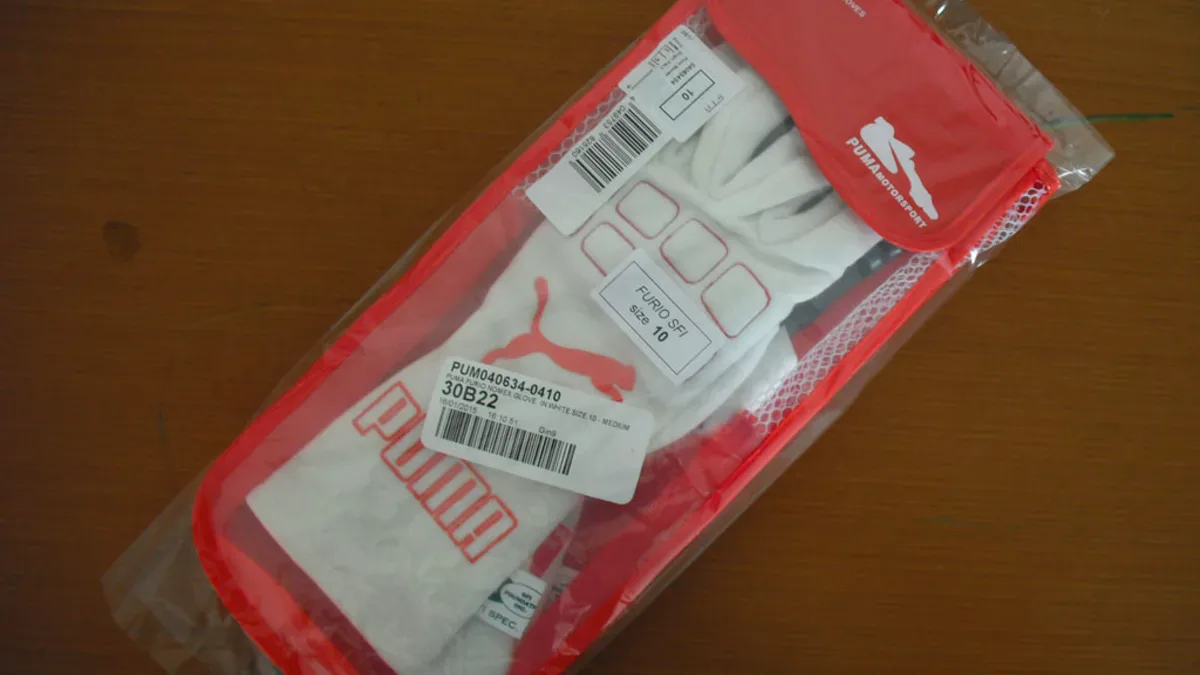
Where Do Sponsor Patches Go on Authentic Race Day Jumpsuits?
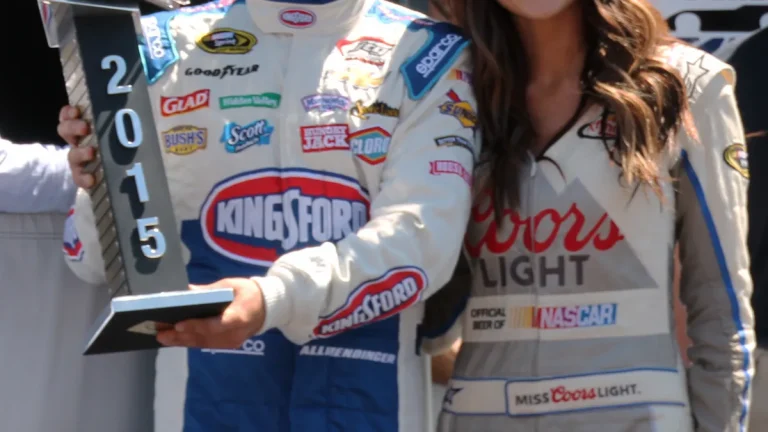
Authentic sponsor patch placement follows strict visual geometry developed by racing sanctioning bodies and commercial partners. Badges are organized into four dedicated zones: primary chest sponsors, technical sleeve stacks, the collar driver identifier, and vertical leg banners. Symmetry creates realism.
Amateur costumes frequently fail because builders scatter circular badges randomly across the stomach like stickers on a school notebook. To achieve an authentic race day aesthetic, respect the traditional grid layout:
- Upper Right Chest: Reserved for tire suppliers, fuel partners, or racing sanctioning shields. Keep this emblem between three and four inches wide. Balance matters.
- Upper Left Chest (Heart): The premier position for your primary vehicle manufacturer or custom team crest. This emblem establishes the color identity of your suit.
- Collar Band: A narrow rectangular patch displaying the driver name, a national flag, and an optional blood-type indicator (such as “R. CALLOWAY | A+ POS”).
- Upper Outer Sleeves: A vertical ladder of two to three smaller technical sponsor emblems stacked evenly between the shoulder seam and the elbow. Align them straight.
- Upper Thighs: Vertical text patches running down the outer hip seam, traditionally representing brake or lubricant partners.
In workshop build trials shared on Homemaker’s Habitat vintage tutorial, crafters noted that standard household iron heat settings frequently fail to bond embroidered patches securely to dense poly-cotton twill. For a durable hold that survives repeated wear, press each patch through a damp pressing cloth at 320 degrees Fahrenheit for 45 seconds, then reinforce the corners with small hand tack stitches. Stitches hold permanently.
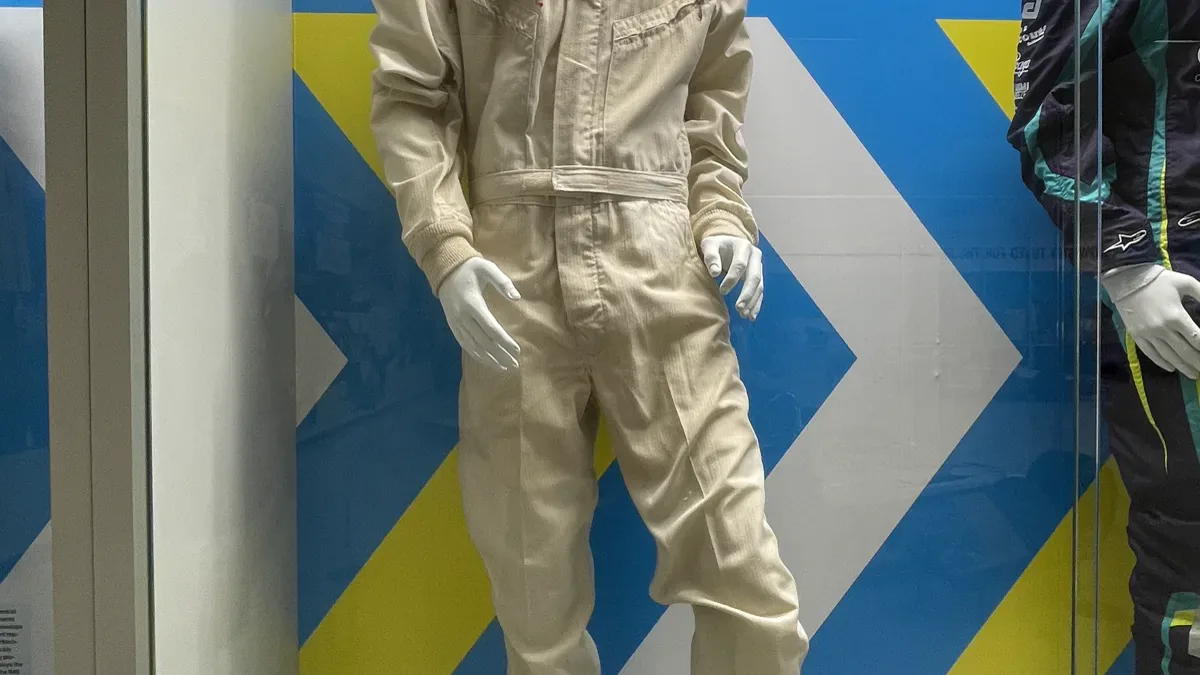
Which Accessories Complete the Paddock Aesthetic Without Overheating?
The accessories you choose determine whether your ensemble looks like an authentic driver in the paddock or a caricature. Swap cumbersome motorcycle helmets and heavy plastic shields for lightweight accessories that enhance comfort and mobility during long parties. Less weight helps.
Carrying a full-face motorcycle helmet to an indoor party is one of the most common mistakes amateur racers make. Helmets are heavy, awkward to set down on crowded tables, and impossible to wear while conversing or having a drink. Instead, adopt the trackside look of drivers during pre-race grid walks and post-session press briefings:
- Structured Team Cap: A curved-bill baseball cap or snapback featuring racing stripes or team badges anchors your headwear while keeping you cool.
- High-Cuff Driving Gloves: Thin synthetic leather driving gloves with elastic wristbands tuck cleanly into your jumpsuit sleeves, providing instant motorsport credibility. Wrist coverage works.
- Low-Profile Footwear: Leave chunky running shoes in the closet. Choose slim-soled driving shoes, classic canvas trainers, or vintage wrestling boots that mimic racing boots.
- Paddock Lanyard & Credential Badge: A woven lanyard holding a laminated VIP Pit Access badge adds realistic behind-the-scenes authenticity for under five dollars.
- Pilot-Style Aviator Sunglasses: Classic wire-rimmed sunglasses clipped onto your suit collar complete the confident driver profile.
Focusing on driver posture and body alignment also elevates the visual impact, drawing principles directly from motorsport ergonomics and seating principles where streamlined efficiency eliminates fatigue. Clean posture sells the role.
How Should You Plan Driver and Crew Outfits for Pairs or Groups?
Coordinating racing costumes for couples or group themes works best when participants divide roles between primary drivers and pit crew technicians. When you plan costumes for pairs or groups, this contrast creates an engaging narrative dynamic that stands out dramatically in group photos. Teams look cohesive.
To execute a polished team concept, establish a unified color code across all outfits while distinguishing individual duties:
- The Driver: Wears the primary jumpsuit with chest sponsor crests, driving gloves, clean white footwear, and a winner laurel or champagne prop.
- The Crew Chief: Outfitted in matching twill work pants, a contrasting team polo shirt, a clipboard with telemetry lap charts, and over-ear radio headsets with a boom mic. Radios look genuine.
- The Tire Specialist: Sports a durable shop apron over coveralls, heavy work gloves, and realistic grease smudges dabbed across the cheeks using cosmetic makeup.
- The Grid Marshal: Wears a high-visibility safety vest and holds a pair of miniature green and checkered waving flags.
For more inspiration on trackside fashion, historic livery themes, and fan apparel, explore our full collection of guides in the Race Day Style category archives. Racing culture runs deep.
Pit wall questions
What is the best fabric for a DIY race car driver costume?
A 65% polyester and 35% cotton twill blend provides the ideal combination of breathability, structural drape, and durability. Unlike pure synthetic party-store tricot, poly-cotton workwear resists tears, accepts iron-on adhesive patches cleanly, and remains comfortable in heated indoor party environments.
Can I wear an actual motorcycle helmet with my racing costume?
While a motorcycle helmet looks dramatic, it is impractical for parties because it severely limits peripheral vision, muffles speech, and traps heat. Experienced costume builders recommend wearing a structured team baseball cap and carrying driving gloves to reflect a driver walking the paddock.
How do I attach racing patches without sewing?
You can use heavy-duty fabric adhesive (such as fabric fusion glue) or high-tack heat transfer tape. For iron-on patches, pre-heat the fabric, use a damp cotton pressing cloth, apply firm downward pressure at medium-high heat for 45 seconds, and allow the adhesive to cool completely before wearing.
What shoes should I wear with a racer costume?
Choose slim, flat-soled sneakers such as wrestling shoes, low-profile minimalist trainers, or canvas slip-ons in neutral black, white, or red. Avoid bulky hiking boots or oversized athletic shoes that clash with the narrow, streamlined cuffs of competition jumpsuits.
Is a two-piece tracksuit acceptable for a racing driver look?
Yes. Many modern motorsport fans prefer a tailored two-piece tracksuit with sublimated team colors over a one-piece jumpsuit. A two-piece set is significantly easier to wear, allows quick bathroom breaks, and provides functional pieces you can re-wear for casual daily workouts.
How we researched this guide: Our editorial team analyzed contemporary and historic paddock suit construction, reviewed DIY maker case studies on Reddit and independent craft blogs, and benchmarked material pricing across industrial suppliers in October 2026. Kozmozstore does not provide fire-safety or FIA certification guidance; all recommendations focus strictly on fan costumes, comfort, and party durability.
Pingback: Female Race Car Driver Costume: 7-Step Paddock Checklist