The short lap: Building an authentic nascar costume requires separating oval racing reality from generic party store myths. Stock car driver overalls feature relaxed boot-cut legs rather than tapered cuffs, heavy multi-sponsor chest layouts, and structured curved-bill sponsor caps. Using poly-cotton boiler suits with generic automotive crests creates an authentic American stock car look affordably.
American stock car racing has produced some of the most iconic motorsport imagery of the last fifty years. From pack racing on high-speed superspeedways to short-track battles under Saturday night stadium lights, drivers in sponsor-covered overalls have captured popular imagination. When October arrives, assembling a recognizable nascar costume is one of the most rewarding motorsport projects you can undertake. However, many costume builders fall for common misconceptions about garment cuts and sponsor graphics that ruin the finished presentation.
At Kozmozstore, we analyze race culture from high-banked oval tracks to technical garage bays. Here is how we researched this guide: we cross-referenced historic stock car archives from stock car racing documentation with real-world costume maker tutorials from discussions on Reddit and automotive apparel collections. By busting common styling myths and focusing on authentic proportions, you can build a sharp, durable nascar driver costume for October parties or race weekend watch events.
What Distinguishes a NASCAR Costume From Open-Wheel Outfits?
A stock car outfit distinguishes itself through relaxed straight-leg boot cuts, heavy cotton-poly twill construction, and dense chest graphics, whereas open-wheel cockpit suits use ultra-tapered elastic cuffs, mandarin collars, and lightweight European silhouettes engineered for tight single-seater cockpits.
The Common Myth: All racing jumpsuits share the same tight, Euro-style aerodynamic cut, meaning any generic zippered jumpsuit can double as an oval stock car uniform.
The Reality: Stock car overalls differ dramatically in silhouette and construction from open-wheel cockpit suits. While open-wheel suits feature tight tapered ankles and minimal bulk, American stock car suits traditionally incorporate a relaxed boot-cut lower leg designed to drape cleanly over high-top racing boots.
Stock car cockpits are hot, enclosed environments with closed roofs and sheet-metal doors. Drivers require generous shoulder room and chest clearance to wrestle heavy cars through high-speed banking. When creating your authentic nascar costume outfit, look for utility boiler suits with straight-leg or relaxed-fit cuts. If you want to compare technical cockpit differences, read our open-wheel driver styling guide to see how narrow single-seater suits contrast with oval apparel.
Why Does 1990s Styling Work Best on Oval Racing Jumpsuits?
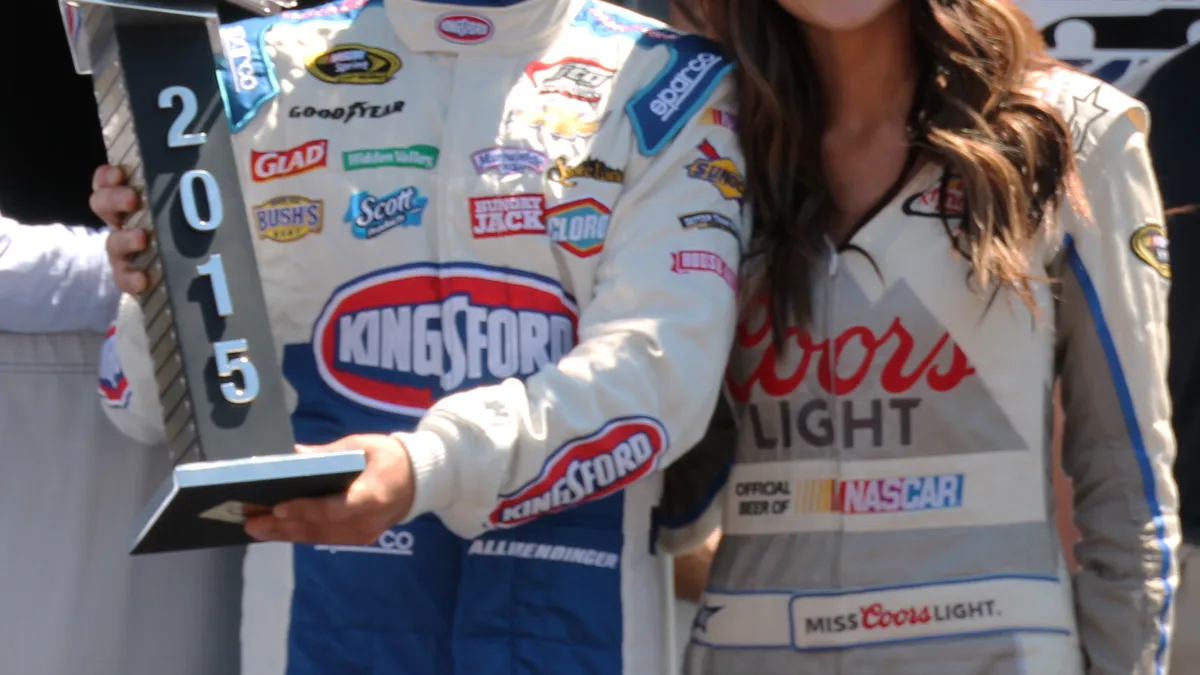
The 1990s era provides the most effective nascar costume inspiration because high-contrast two-tone color blocking, bold primary chest banners, and prominent waist belts trigger immediate cultural recognition, whereas modern sublimated driver suits rely on complex digital gradients that look blurry when printed on budget garments.
The Common Myth: Modern high-tech sublimated jumpsuits make for a more recognizable Halloween outfit than retro designs.
The Reality: The golden era of 1990s stock car racing remains the most universally recognized aesthetic in American pop culture. Bold primary color blocking, high-contrast chest banners, and vintage font treatments evoke instant nostalgia across all generations.
When selecting your design direction, consider how each era approaches garment aesthetics:
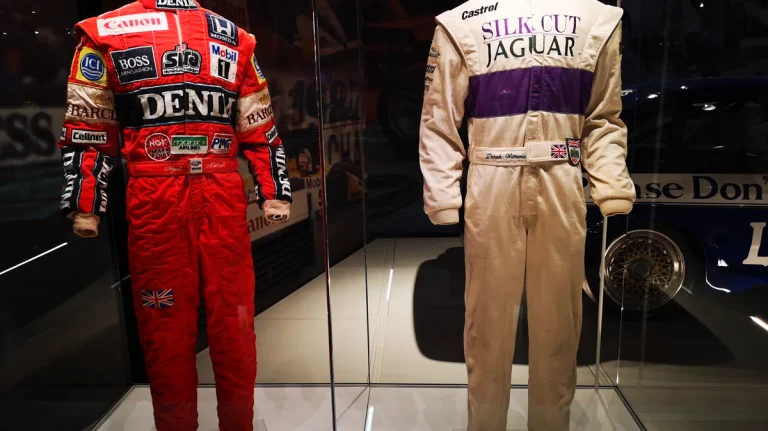
- The 1990s Winston Era Aesthetic: Dominated by bold two-tone or three-tone color blocking, such as bright red and yellow, royal blue and white, or classic gloss black and silver. Primary sponsor banners stretch completely across the chest, complemented by stacked secondary supplier badges running down the sleeves.
- The Modern Era Aesthetic: Characterized by complex asymmetrical geometric graphics, sublimation printing, and athletic performance tailoring. While sleek on real drivers, this style is harder to recreate convincingly at home without industrial textile printers.
- The Grassroots Short-Track Look: For an authentic local hero vibe, choose a clean single-color base suit accented with vertical racing stripes and localized garage crests for your nascar costume project. You can explore our driver costume build tiers to find the right balance of complexity for your timeline.
Pit note: Vintage stock car suits frequently featured a prominent padded waist belt with a Velcro tab closure. Stitching a 2-inch wide contrasting twill strap around your waistline provides an authentic 1990s visual anchor that flatters your body proportions.
How to Arrange Sponsor Patches Without Real Logos?
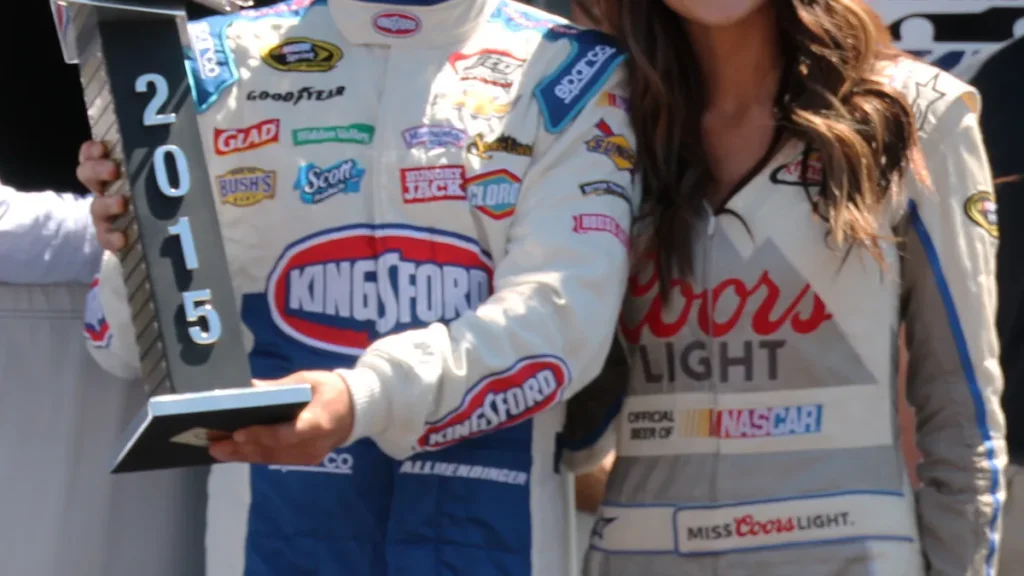
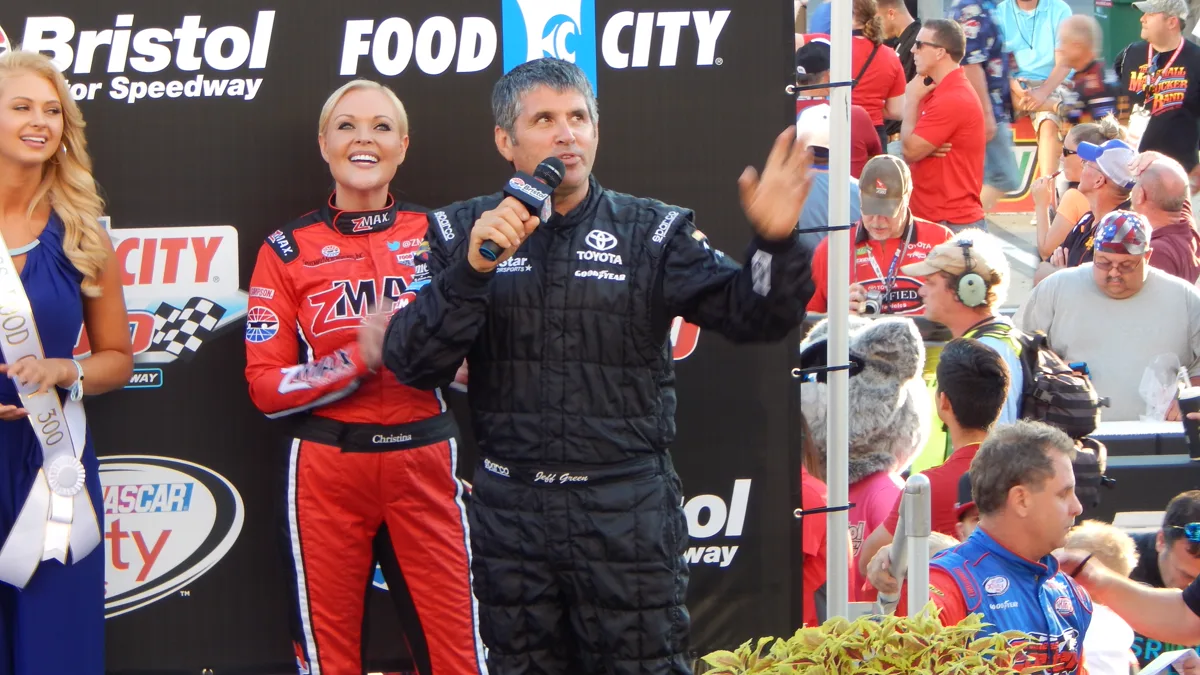
You can arrange authentic racing sponsor layouts on your nascar costume by placing generic automotive crests across five key zones: a wide horizontal chest banner, paired upper clavicle badges, vertical bicep stacks, a belted waistband nameplate, and a stand-up collar emblem to reflect authentic paddock proportions legally and affordably.
The Common Myth: An authentic racing outfit requires buying expensive official team sponsor patches or licensed merchandise.
The Reality: You can achieve an unmistakably authentic oval racing aesthetic using generic automotive badges, vintage supplier logos, and custom name embroidery without reproducing copyrighted team assets.
In community build threads, experienced makers avoid trademark complications and cheap iron-on bootlegs by using fictional or heritage automotive categories. Real racing liveries balance five distinct patch placement zones:
- Title Sponsor Zone: The upper horizontal chest panel running from armpit to armpit. Use bold block lettering for fictional brands like “Thunderbolt Motor Oil” or “Apex Spark Plugs”.
- Associate Supplier Crests: Two to four smaller embroidered crests placed on the upper chest yokes below the collarbone, representing brake pads, radiators, or carburetors.
- The Bicep Ladder: Vertical stacks of three small rectangular patches along the outer bicep of both arms.
- The Belt Line Embroidery: Driver name and national flag embroidered on the center or side of the waistband belt.
- Collar Tab Crests: A miniature circular supplier badge stitched on the stand-up collar tab.
If you are planning to coordinate a whole racing crew, review our pit crew costume and prop ideas to see how mechanic uniforms share sponsor palettes with lead drivers.
Can Workwear Boiler Suits Mimic Oval Racing Overalls?
High-quality utility boiler suits easily mimic competition overalls for an authentic nascar costume because heavy 7.25-ounce poly-cotton workwear provides the rigid drape, durable brass zippers, functional utility pockets, and reinforced seam stitching that authentic driver suits possess, outperforming flimsy party-store costumes in both appearance and durability.
The Common Myth: Only specialty cosplay makers or custom race apparel companies can provide garments that look like genuine stock car overalls.
The Reality: Heavy-duty 7.25-ounce poly-cotton workwear boiler suits provide the ideal foundation for an authentic stock car project. Standard industrial coveralls offer authentic fabric weight, rugged metal zip closures, and functional pockets that mass-market Halloween costumes lack.
Commercial Halloween costumes made from paper-thin polyester cling to your body, generate static, and tear easily along the seat seams. Industrial workwear provides structural stiffness, realistic collar posture, and all-night breathability during brisk October evenings. For builders who want tailored proportions and feminine silhouettes, our women’s jumpsuit tailoring guide provides step-by-step waistline and hem modifications.
Remember that real oval competition garments use specialized multi-layer aramid fire protection. For costume, watch party, and fan use, standard poly-cotton workwear offers superior comfort, breathability, and ease of washing without the rigid bulk of racing gear.
Which Accessories Complete the Trackside Driver Aesthetic?
Completing the trackside driver aesthetic on your nascar costume requires four signature accessories: a structured curved-bill sponsor baseball cap, dark wraparound or aviator sunglasses, a laminated hot pass on a woven lanyard, and slim low-profile leather driving shoes that reflect pre-race paddock walk styling.
The accessories you choose define the difference between someone wearing work coveralls and someone dressed as a championship stock car driver walking the garage before green flag drop. Pair your jumpsuit with these authentic trackside items:
| Accessory | Authentic Style | Why It Matters |
|---|---|---|
| Sponsor Cap | Structured curved-bill baseball cap with bold front crest | Stock car drivers wear sponsor caps in all media appearances |
| Podium Sunglasses | Dark wraparound sport sunglasses or classic wire aviators | Reflects sunny daytime track conditions on superspeedways |
| Footwear | Low-profile black leather trainers or driving shoes | Matches pedal-ready styling without clunky athletic soles |
| Garage Hot Pass | Laminated pit pass on a branded woven neck lanyard | Communicates inner-circle garage access and paddock authority |
| Victory Prop | Miniature checkered flag or mock victory lane beverage | Fun, recognizable party prop for celebration photos |
Pit lane questions
What is the difference between an F1 costume and a NASCAR costume?
An open-wheel formula outfit emphasizes tight aerodynamic silhouettes, tapered ankle cuffs, stand-up mandarin collars, and international technical sponsors. A stock car outfit features a relaxed boot-cut lower leg, heavier American workwear twill, a belted waist, and bold primary color blocking reminiscent of superspeedway liveries.
Can I build a NASCAR driver costume from everyday coveralls?
Yes. Durable navy, red, black, or royal blue poly-cotton utility coveralls make an outstanding base. Adding 1-inch contrast fabric striping down the pant legs, applying generic automotive supplier patches across the chest, and pairing the suit with a structured sponsor baseball cap creates an authentic oval racing look.
Do real NASCAR drivers wear helmets to parties?
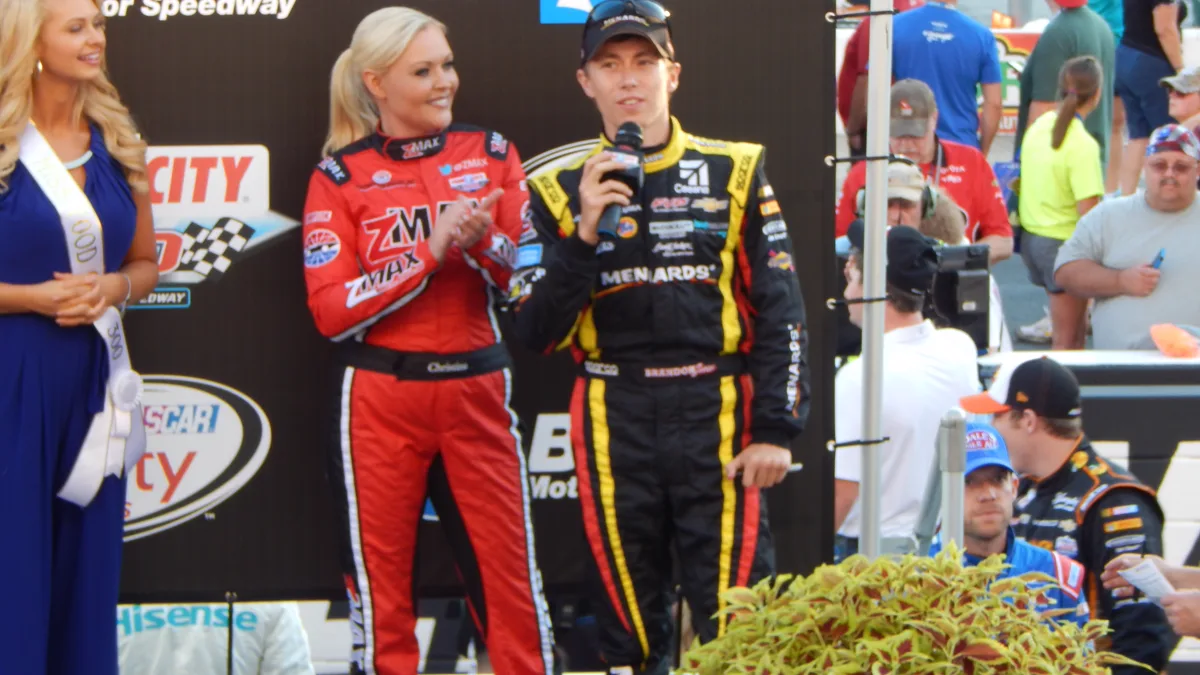
No. Racing helmets are heavy, trap heat, and severely restrict vision and conversation at social gatherings. Genuine stock car drivers spend almost all their pre-race fan interactions, driver introductions, and post-race media appearances wearing structured sponsor baseball caps and sunglasses.
How do I wash my costume after applying iron-on sponsor patches?
Wait at least 48 hours after heat application to allow adhesives to cure. Turn the coveralls inside out and machine wash in cold water on a gentle cycle, then hang to air dry. Avoiding machine dryer heat prevents patch adhesive from weakening and keeps embroidered threads sharp.
How much does it cost to build a DIY NASCAR costume?
A complete DIY stock car costume typically costs between $55 and $85. Quality industrial boiler suits cost around $35, a set of automotive twill patches or heat-transfer vinyl runs $15 to $20, and a structured sponsor cap and accessories add $15 to $25 to complete the authentic nascar costume appearance.