Understanding how cockpit temperatures destroy car interiors is essential when summer temperatures spike past 100°F across the American Sun Belt.
In hot spots like Phoenix, Las Vegas, Dallas, and Miami, leaving your car parked in an open parking lot transforms the cabin into an industrial convection oven. Within forty-five minutes of baking on 115°F asphalt, solar thermal radiation penetrating the windshield elevates interior cabin temperatures past 160°F.
Most commuters write off summer heat as a brief annoyance—something to tolerate until the air conditioning kicks on full blast. But if you look beneath the surface, the physical and chemical breakdown taking place inside your cockpit is catastrophic. Here is the engineering breakdown of how cockpit temperatures destroy car interiors, and the two-stage defense strategy used by motorsport paddock crews to preserve cockpits.

The Thermal Hazard: Critical Cabin Temperature Data
Investigating how cockpit temperatures destroy car interiors starts by examining the raw thermodynamics of greenhouse solar trapping:
Dashboard surface temperatures that vaporize polymer plasticizers, creating sticky surfaces and brittle dash cracks.
Percentage of total radiant thermal energy that penetrates exclusively through the large front windshield glass.
The dangerous rapid internal temperature spike documented under direct solar radiation by the National Weather Service.
The Chemical Breakdown: What Extreme Heat Does to Materials
Modern vehicle interiors are intricate assemblies of polyurethane foam, synthetic vinyl resins, structural adhesives, and coated leather hides. Long-term exposure to 140°F–165°F cabin heat causes severe degradation:
The Science of Interior Material Breakdown
- Plasticizer Outgassing: Flexible vinyl dashboards rely on chemical plasticizers to remain pliable. Superheated cockpit temperatures boil off these volatile compounds, turning your dash brittle and coating your windshield with that stubborn, greasy interior film.
- Leather Collagen Shrinkage: Extreme dry heat literally bakes out the natural moisture and oils in leather hides. Fibers contract, stiffen, and eventually split apart along high-stress side seams.
- Adhesive Delamination: High thermal cycles weaken the chemical bonding agents holding headliners, A-pillar fabric, and door panels, causing unsightly interior sag.
According to research from the National Weather Service vehicle heat guidelines, an enclosed car traps heat with terrifying efficiency, making reflective physical barriers mandatory for Sun Belt drivers.
The Ergonomic Consequence: Perspiration Slip & Driving Fatigue
Thermal cockpit damage does not stop at cracked dashboards—it compromises the driver. When you climb into a 150°F cabin and sit on scorching leather, body perspiration forms a low-friction barrier. Instead of your clothing gripping the seat bolsters, you slide forward under braking and slip sideways through fast highway curves.
This dreaded “slip-and-slide” effect forces your lumbar stabilizers and abdominal core to tense continuously. As documented in paddock cooling protocols seen in NASCAR street races, keeping cockpit moisture under control is a fundamental pillar of driver endurance.
Two-Stage Cockpit Thermal Defense: Official Studio Showcase
Direct from EzcustomCar: professional dual-layer protection combining high-reflectivity windshield shields with breathable seat bolster covers.
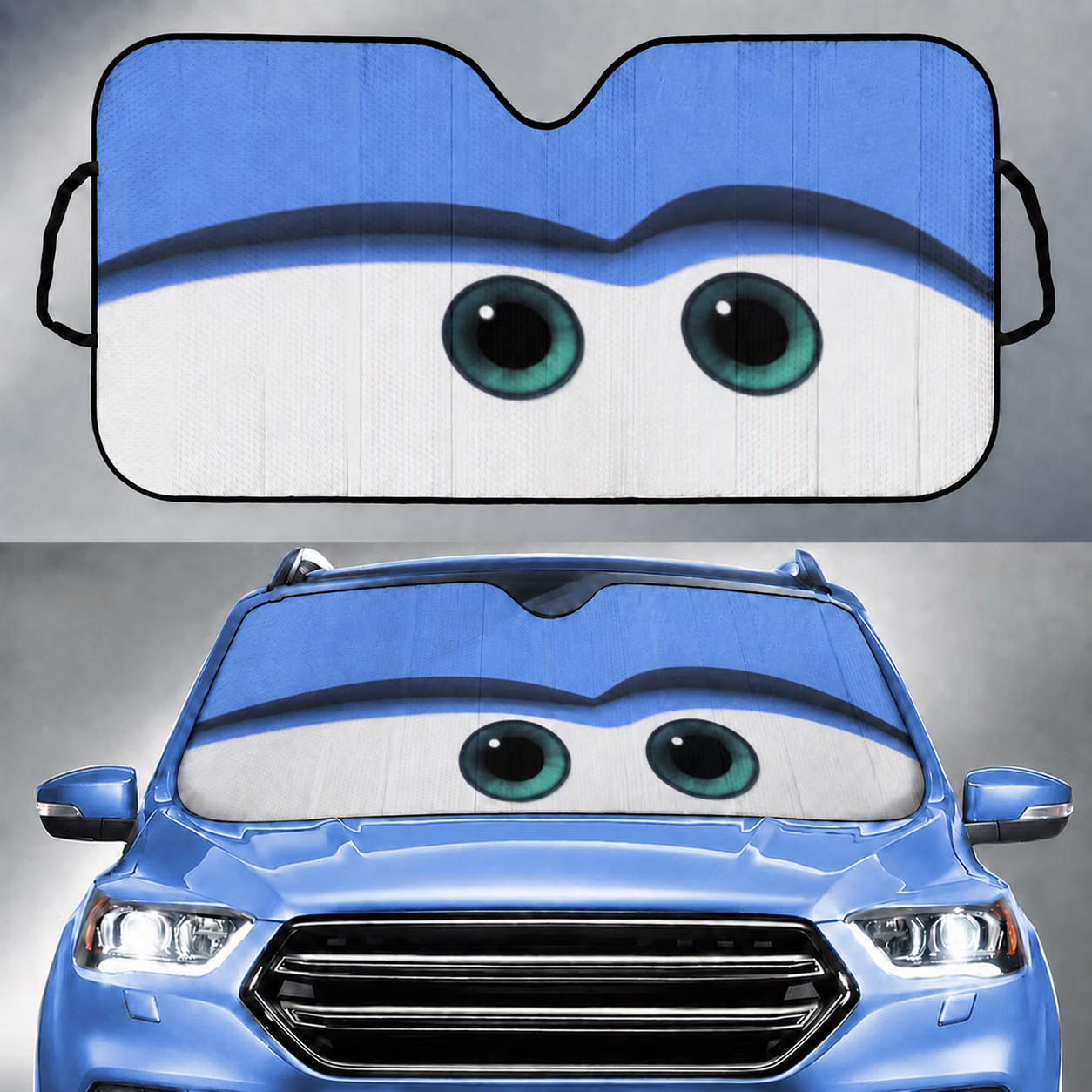
Cartoon Car Eyes Sunshade
Reflective multi-layer metallic barrier with playful racing-inspired personality. Blocks 70% of radiant solar heat, dropping interior dashboard temperatures by up to 40°F to halt plasticizer outgassing.
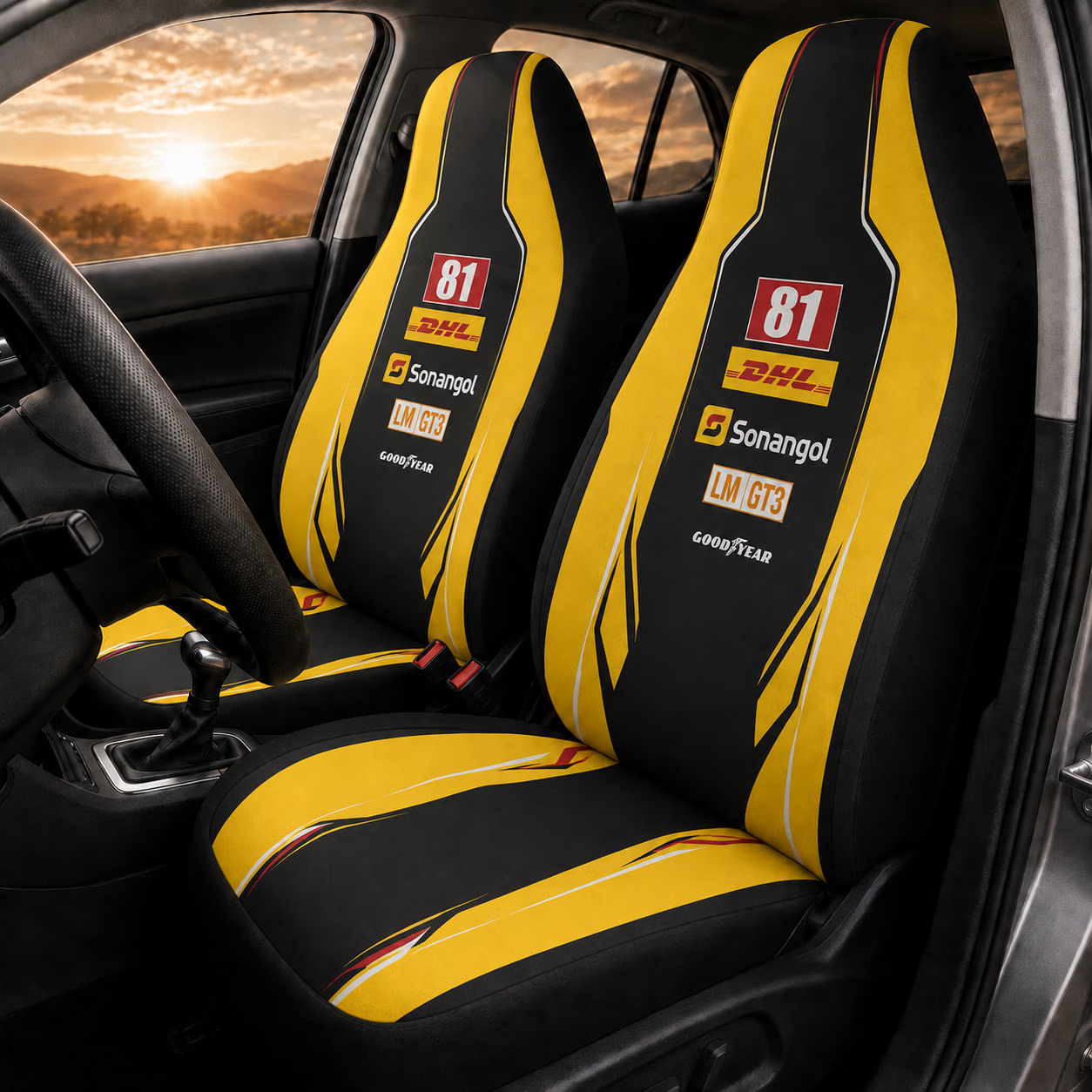
Corvette Z06 GT3.R Seat Covers
Acts as an insulating barrier against scorching factory leather. High-resilience breathable foam eliminates perspiration slip, cushions your back against hot seats, and protects expensive OEM upholstery.
Enthusiasts facing triple-digit summer heatwaves can browse the complete line of custom windshield sunshades designed to protect dashboards from costly thermal degradation.
The 60-Second Cross-Flow Heat Venting Protocol
To mitigate how cockpit temperatures destroy car interiors when you return to your vehicle, follow this paddock-tested venting routine:
- Step 1: Roll down both passenger-side windows, then open and close the driver’s door firmly three times to pump the trapped 160°F air chimney right out of the cabin.
- Step 2: Drive for 200 yards with windows completely open, using ambient cross-flow to exhaust the lingering thermal bubble.
- Step 3: Roll up windows and switch the A/C to recirculate. Your cabin reaches crisp cooling temperatures in half the time while taking immense strain off the compressor.
Conclusion: Shield Your Cockpit Before the Sun Destroys It
Knowing how cockpit temperatures destroy car interiors gives you the upper hand against the summer sun. By deploying precision windshield reflective barriers and breathable seat protection, you preserve your vehicle’s cabin value and maintain cool, slip-free comfort across every summer drive.